
 Kristina Jones
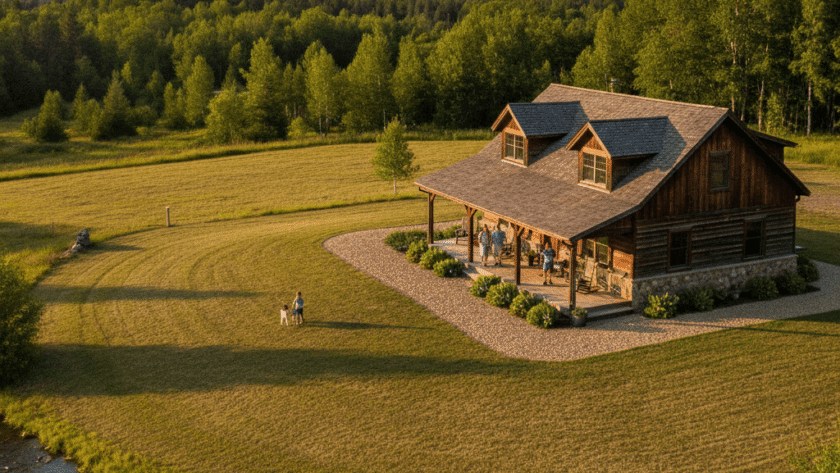
 Living in a rural home offers so much peace and a unique connection to nature. I understand the draw of wide-open spaces and the quiet that comes with being away from city life. But with this beauty also comes a certain responsibility, especially when it concerns natural threats like wildfires. These events can be devastating, quickly turning a dream home into a stressful situation. My aim here is to share practical advice so you can truly enjoy your rural home without wildfire worry.
Many people move to rural areas for the serenity and beauty, often not fully considering the specific risks involved. Wildfires are a real and present danger in many parts of the country. They can spread quickly and leave little time for preparation if you wait until the last minute. This guide will walk you through steps you can take today to protect your property and your family.
I believe that being prepared is the best defense. Taking proactive measures can make a huge difference in safeguarding your home. It can also give you great peace of mind, allowing you to fully appreciate everything your rural property offers. Let’s look at how we can secure your cherished home.
Assessing Your Property’s Specific Wildfire Risk
The first step to wildfire protection involves understanding the unique risks your property faces. Every rural home is different and sits in a distinct environment. What might be a high risk for one home might be a lower risk for another. I always tell people to start by looking at their surroundings with fresh eyes, almost like a firefighter would.
Consider the type of vegetation around your home. Are there dense forests, dry grasslands, or a mix of both? Different types of plants burn in different ways and at varying intensities. For example, pine needles and dry grasses are quick fuels, while mature oaks might burn slower but with more heat. I also think about the slope of your land because fire travels much faster uphill than it does on flat ground.
Identifying Local Fuel Sources and Weather Patterns
Understanding local fuel sources is really important. Look at dead trees, fallen branches, and thick brush. These are prime targets for a fire to take hold and spread. I recommend knowing the common wind patterns in your area too, especially during fire season. Strong winds can carry embers for miles, igniting new fires far from the original blaze.
Your local climate also plays a significant role. If you live in an area with long, hot, dry summers, your wildfire risk is naturally higher. Periods of drought, even short ones, can turn ordinary vegetation into highly flammable material. We must recognize these factors to create an effective protection plan for our rural homes.
Creating a Defensible Space Around Your Home
Once you understand your risk, the next critical step is to create a defensible space. This is an area around your home where you reduce or remove flammable materials. I divide this space into different zones, each requiring specific actions to slow or stop a fire from reaching your house. It is about making it harder for fire to spread and giving firefighters a safer area to work.
Think of it as a series of concentric circles around your home. The closer to the structure, the more stringent your actions need to be. This strategy has proven effective in countless wildfire events. It is a fundamental part of keeping your rural home safe.
Zone 1: The Immediate Home Perimeter (0-5 feet)
This zone is the most critical and I call it the “ember-free zone.” Within 0 to 5 feet of your home, remove all flammable materials. This includes dry leaves, pine needles, firewood stacks, and even flammable mulch. I suggest using non-combustible materials like gravel, concrete, or rock for landscaping in this area. Make sure there are no plants directly touching your house, especially wooden siding or decks.
Keep your gutters clean of leaves and debris, because they can easily catch embers. Also, check under decks and in crawl spaces for any accumulated flammable items. Even small details here can make a large difference when a wildfire is approaching.
Zone 2: The Intermediate Area (5-30 feet)
Moving further out, Zone 2 requires careful management of vegetation. Here, I focus on creating a lean, clean, and green landscape. This means removing dead plants, pruning trees to remove low-hanging branches, and spacing out shrubs. We want to interrupt the path of any potential fire. The goal is to reduce the amount of fuel available to a fire, making it less intense.
Keep your lawn mowed short and remove grass clippings. I suggest selecting fire-resistant plants if you are adding new landscaping. These plants often have high moisture content and do not burn as readily. Regular weeding and thinning are also key in this zone.
Building Materials and Home Hardening Measures
The materials your home is built from can drastically affect its vulnerability to wildfires. Many older rural homes have materials that are more susceptible to fire. However, there are many steps you can take to harden your home, making it more resistant to flames and embers. I have seen firsthand how these small changes can save a house when everything around it burns.
Embers are a primary cause of home ignition during wildfires. They can travel far and lodge in vulnerable spots on your house. So, a significant part of home hardening is about sealing up those potential entry points and using less flammable materials.
Fire-Resistant Roofing and Siding Choices
Your roof is the most exposed part of your home and a major point of entry for embers. I always recommend fire-resistant roofing materials like asphalt shingles, metal, or tile. These options resist ignition much better than wood shakes or shingles. If your roof is older, it might be worth considering an upgrade for safety.
For siding, choose materials like stucco, fiber cement, or treated wood that resists fire. Even if your home already has flammable siding, you can often add fire-resistant sheathing underneath. Covering foundation vents with 1/8-inch metal mesh screens is another simple but effective step. This prevents embers from entering your crawl space.
Maintaining Your Property Year-Round for Prevention
Wildfire prevention is not a one-time project, it is an ongoing commitment. I stress this point often because properties change with the seasons. What was cleared in spring might grow back by late summer. Consistent maintenance is the key to enjoying your rural home without wildfire worry and keeping your defensible space effective. It truly is a year-round effort that pays off when fire season arrives.
Regular inspections and quick action on small tasks can prevent bigger problems later. This is especially true for managing vegetation growth and keeping gutters clean. I advise homeowners to integrate these tasks into their regular home maintenance routines, so they do not become overwhelming projects.
Seasonal Maintenance Schedule for Wildfire Safety
In the spring, I suggest clearing away all dead leaves and debris from the winter. This is also a great time to prune trees and shrubs. Remove any branches that are touching your roof or hanging low to the ground. Mow your grass regularly as soon as it starts to grow. This will reduce fuel load before the dry season. Consider cleaning out your gutters for the first time then.
During the summer, which is often peak fire season, stay on top of mowing and trimming. Remove dry grasses and weeds as they appear. Keep your gutters free of dry leaves and pine needles, especially if you have trees overhead. Regularly check your defensible space zones for any new growth or fallen debris that could become fuel. In the fall, continue clearing fallen leaves and debris, and make sure firewood is stored at least 30 feet from your home. Winter is a good time to plan major landscaping changes or home hardening projects.
Emergency Planning and Evacuation Preparedness
Despite all prevention efforts, wildfires can still threaten your home. Having a solid emergency plan and being ready to evacuate is extremely important. I encourage every rural homeowner to have a plan in place long before a fire is even a remote possibility. Knowing what to do and having essential items packed can save precious time and reduce panic during an emergency.
An evacuation plan should be clear and practiced by everyone in your household. It includes designated meeting points and communication strategies. I always say that a plan is only good if everyone knows it and knows their role in it.
Preparing Your Essential Evacuation Kit
An emergency kit, sometimes called a “go-bag,” is crucial. I recommend keeping it easily accessible and ready to grab at a moment’s notice. Here are some items I suggest you include:
- Copies of important documents (ID, insurance policies, medical records)
- Prescription medications and a first-aid kit
- Non-perishable food and water for at least three days
- A battery-powered or hand-crank radio with extra batteries
- Flashlights with extra batteries
- Cash and credit cards
- A change of clothes for each family member
- Pet supplies (food, water, leash, carrier)
- A whistle to signal for help
- Dust masks and gloves
- Maps of your area with evacuation routes highlighted
Keep these items updated and check expiration dates on food and medicine. Having a designated secure place for these items is also a smart move.
Community Involvement and Local Resources
You do not have to tackle wildfire preparedness alone. I find that working with your community and understanding local resources can greatly enhance your safety. Many rural areas have programs and initiatives designed to help residents prepare for wildfires. These community efforts create a network of support that can be invaluable when a fire threatens.
Local fire departments and forestry services are often excellent sources of information and guidance. They can provide specific recommendations tailored to your region’s risks. I advise reaching out to them and getting involved.
Leveraging Local Programs and Neighborhood Initiatives
Many areas have a “Firewise USA” program or similar initiatives. These programs help communities assess their risks and create action plans. Joining or starting a neighborhood group can foster a collective approach to maintaining defensible spaces and sharing resources. We can achieve more together than we can individually. This type of collaboration can also help you understand specific nuances of wildfire protection for rural property, such as local regulations or unique environmental factors.
I also recommend staying informed about local emergency alerts and communication systems. Sign up for texts or emails from your local emergency management agency. Knowing about an approaching fire early gives you more time to act and evacuate safely. It’s about building a resilient community.
Considering Technology and Modern Prevention Solutions
As technology advances, so do our options for wildfire prevention and early detection. I am always looking for new tools that can give homeowners an extra layer of security. While traditional methods remain critical, integrating modern solutions can provide timely warnings and even active protection. These innovations complement our hands-on efforts.
Smart home devices and specialized sensors can play a role in monitoring your property. They can provide alerts when smoke or unusual heat is detected. This technology can offer precious minutes for response or evacuation.
Utilizing Smart Devices for Early Detection
For instance, some smart outdoor cameras can detect smoke plumes or even small flames, sending immediate alerts to your phone. Weather stations, especially those with wind and humidity sensors, can help you monitor conditions that increase fire risk on your property. There are even sprinkler systems designed specifically to activate if a fire is detected near your home, providing a temporary wetting of the area.
I also think about battery backup systems for essential services. During a power outage caused by a fire, having backup power for communication devices or well pumps can be life-saving. Research what is available and practical for your specific rural setup. Every little bit of preparedness helps.
Enjoy Your Rural Home Without Wildfire Worry
I truly believe that living in a rural home is a privilege that comes with the responsibility of safeguarding it from natural threats. Wildfires are a serious concern, but by taking proactive and consistent steps, you can significantly reduce your risk. We have talked about assessing your property’s specific vulnerabilities, creating crucial defensible spaces, and hardening your home with fire-resistant materials. We also discussed the vital importance of year-round maintenance and having a clear emergency plan.
Remember that community involvement and leveraging local resources also play a big part in overall safety. Exploring new technologies for early detection and active protection can give you an added advantage. The goal is to transform potential fear into confidence. I want you to feel secure and enjoy the beautiful, peaceful life your rural home offers, knowing you have done everything possible to protect it. Start implementing these steps today to build a safer future for your home and family.


